
Vertigo: Causes, Symptoms, Treatment and Naturopathy & Yoga Support
Introduction
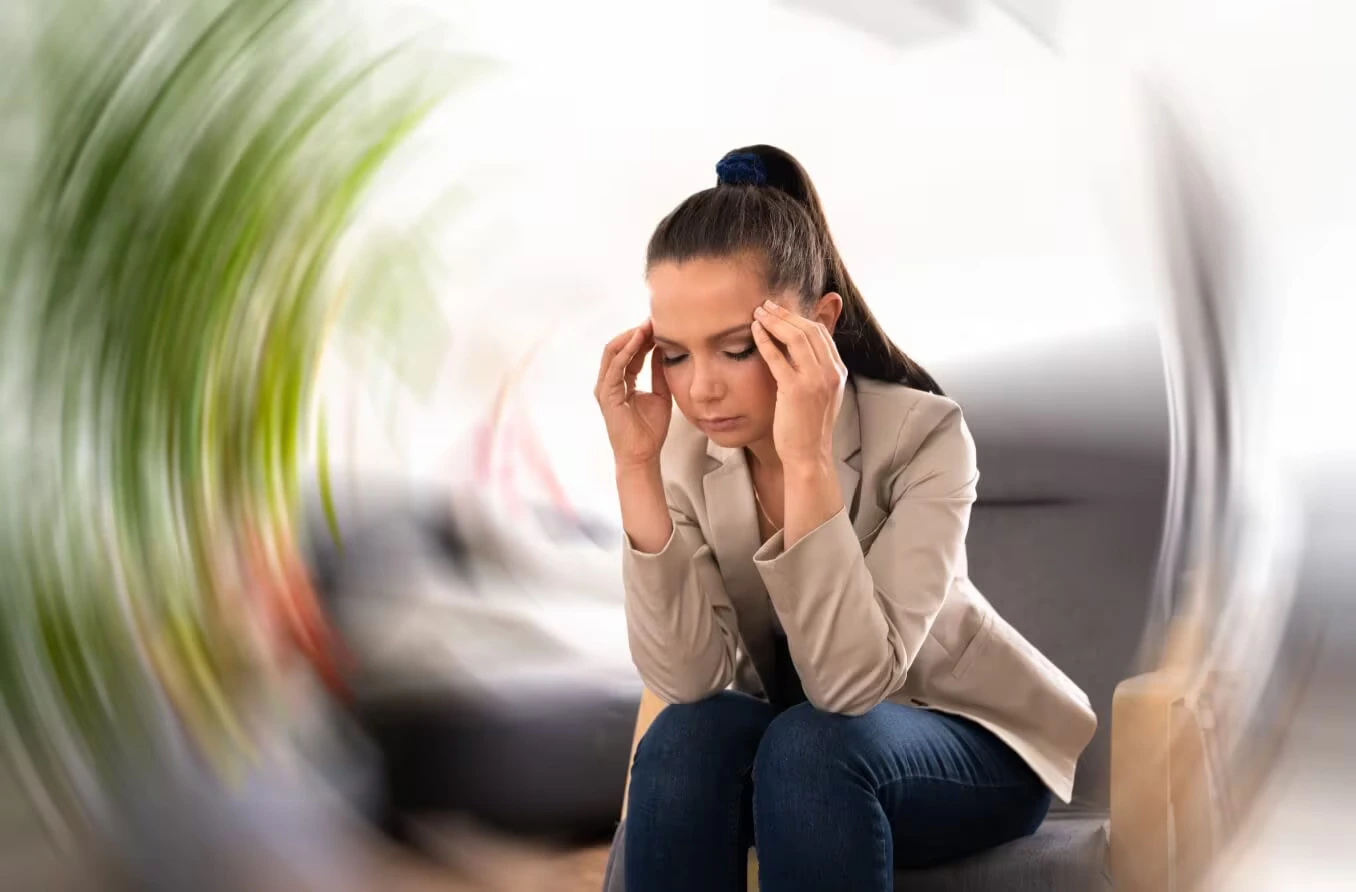
Vertigo is a sensation that you or your surroundings are spinning, moving or tilting even when you are sitting or standing still. It is different from ordinary light-headedness and may affect balance, walking, concentration and daily activities.
Vertigo can have several possible causes. Some are related to the inner ear, while others may involve the brain or nervous system. Identifying the underlying cause is important because treatment depends on the diagnosis.
Naturopathy, yoga, relaxation techniques and other supportive lifestyle practices may have a role in promoting general well-being and reducing stress associated with recurrent symptoms. However, they should not replace appropriate medical evaluation or treatment.
What Is Vertigo?
Vertigo is a type of dizziness in which a person feels that they or their surroundings are moving, spinning or tilting.
The body's balance system depends on information from the inner ear, eyes, muscles and brain. When these systems send conflicting or abnormal signals, vertigo or problems with balance can occur.
Although vertigo can be uncomfortable and sometimes frightening, many causes are treatable once correctly identified.
Common Symptoms of Vertigo
People experiencing vertigo may have one or more of the following symptoms:
- A spinning or moving sensation
- Loss of balance or unsteadiness
- Nausea or vomiting
- Headache
- Sweating
- Ringing in the ears (tinnitus)
- Changes in hearing
- Difficulty walking or standing
- Abnormal or involuntary eye movements
The duration of symptoms can vary. Some episodes may last only a few seconds, while others may continue for minutes or hours depending on the underlying cause.
Common Causes of Vertigo
1. Benign Paroxysmal Positional Vertigo (BPPV)
BPPV is one of the most common causes of vertigo. It occurs when tiny calcium crystals in the inner ear become displaced and move into a part of the balance system where they can trigger abnormal signals.
Vertigo caused by BPPV is often triggered by changes in head position, such as:
- Turning over in bed
- Looking up
- Bending down
- Getting into or out of bed
Episodes are typically brief, although the resulting imbalance may last longer.
2. Ménière's Disease
Ménière's disease is an inner-ear disorder that can cause episodes of vertigo along with symptoms such as hearing loss, tinnitus and a feeling of fullness or pressure in the affected ear.
Repeated or unexplained episodes of vertigo with hearing changes should be assessed by an appropriate healthcare professional.
3. Vestibular Neuritis or Labyrinthitis
Inflammation affecting structures involved in balance in the inner ear can cause sudden and sometimes severe vertigo. These conditions may occur following an infection.
The symptoms and treatment can differ depending on which structures are affected, so professional evaluation may be necessary.
4. Migraine-Associated Vertigo
Some people experience vertigo as part of migraine. Vertigo may occur with or without a typical headache and may be associated with sensitivity to light, sound or movement.
5. Neurological Causes
Less commonly, vertigo can be associated with conditions affecting the brain or nervous system, including stroke and other neurological disorders.
Because some neurological causes can be serious, sudden or unusual vertigo should not automatically be assumed to be an inner-ear problem.
How Is Vertigo Diagnosed?
Vertigo is a symptom rather than a single disease. Diagnosis usually depends on the person's symptoms, medical history and physical examination.
A healthcare professional may assess:
- When the vertigo started
- How long each episode lasts
- Whether head movements trigger symptoms
- Hearing changes or tinnitus
- Headache or migraine symptoms
- Balance and walking
- Eye movements
- Neurological symptoms
- Current medicines and relevant medical conditions
Depending on the findings, further evaluation or referral to an ENT specialist, neurologist or other appropriate healthcare professional may be recommended.
Treatment for Vertigo
Treatment depends on the underlying cause. Management may include medical treatment, vestibular rehabilitation, treatment of an underlying condition or specific positioning manoeuvres.
Positioning Manoeuvres for BPPV
The Epley manoeuvre is a specific series of head and body movements that may help reposition displaced inner-ear crystals in people with certain types of BPPV.
It should ideally be performed after the diagnosis and affected side have been established by a qualified healthcare professional. It is not appropriate for every type of vertigo.
People with significant neck or back problems, certain vascular conditions, recent surgery or other medical concerns may require modifications or may need to avoid particular movements.
Epley Manoeuvre: General Overview
For confirmed right-sided BPPV, a commonly used sequence involves turning the head toward the affected side, reclining, turning the head to the opposite side, rolling onto the side and then slowly returning to a sitting position.
For left-sided BPPV, the sequence is performed in the opposite direction.
Because the correct technique depends on the diagnosis and individual health status, it is safer to learn the manoeuvre from a qualified clinician rather than repeatedly performing it without confirmation of BPPV.
Stop the manoeuvre and seek medical advice if symptoms become significantly worse, unusual neurological symptoms develop or you experience severe neck pain or other concerning symptoms.
What Can You Do During a Vertigo Episode?
If vertigo occurs, safety should be the first priority.
- Sit or lie down in a safe place.
- Avoid sudden head movements.
- Hold onto a stable surface when moving.
- Get up slowly when the spinning sensation settles.
- Avoid driving while symptoms are present.
- Avoid climbing heights or operating machinery.
- Ask for assistance if you feel unsteady.
Because vertigo can increase the risk of falling, additional precautions may be necessary for older adults and people with significant balance problems.
Yoga and Vertigo
Yoga may be used as a supportive approach for relaxation, body awareness, flexibility and general physical well-being. However, yoga does not treat every underlying cause of vertigo.
During an active spinning episode, it is generally safer to remain seated or lying in a secure position rather than attempting challenging yoga postures.
Once the underlying cause has been assessed and symptoms are stable, selected gentle practices may be incorporated under appropriate guidance.
A personalised approach may include:
- Healthy nutrition
- Adequate hydration
- Regular but appropriate physical activity
- Sleep improvement
- Stress management
- Relaxation practices
- Gentle yoga when appropriate
- Education about safe movement and fall prevention
These approaches should complement, rather than replace, appropriate evaluation and treatment of the underlying cause of vertigo.
Hydrotherapy
Hydrotherapy refers to the therapeutic use of water in selected settings. Practices such as a neutral-temperature bath may promote relaxation and comfort.
However, hydrotherapy should not be presented as a treatment that corrects displaced inner-ear crystals or cures neurological causes of vertigo.
People with significant balance problems should take particular care around water because of the risk of falls or drowning.
Massage
Massage may have a supportive role in promoting relaxation and reducing muscular tension, particularly when neck and shoulder tension accompanies stress.
Massage does not treat all causes of vertigo, and forceful manipulation of the neck should be avoided unless specifically assessed and considered appropriate by a qualified professional.
Diet and Lifestyle Tips for People With Vertigo
Lifestyle recommendations should depend on the underlying cause of vertigo.
<How Nalam Yoga & Naturopathy Clinic Can Support You
At Nalam Yoga & Naturopathy Clinic, Perumbakkam, Chennai, a personalised lifestyle-oriented approach may include appropriate yoga therapy, relaxation practices, nutrition guidance, physical activity recommendations and stress-management strategies.
The choice of practices depends on the individual's symptoms, medical history, physical capacity and underlying diagnosis.
For recurrent or unexplained vertigo, appropriate medical assessment should come first. Yoga and naturopathy can then be considered as supportive components of an overall wellness plan when clinically appropriate.
Key Takeaway
Vertigo is a symptom that can have several different causes, ranging from common inner-ear conditions such as BPPV to migraine and, less commonly, neurological disorders.
Correctly identifying the cause is important before selecting treatment. Positioning manoeuvres such as the Epley manoeuvre can be useful for appropriately diagnosed BPPV, while yoga, relaxation, nutrition and other naturopathic lifestyle approaches may provide supportive benefits for selected individuals.
Because vertigo can increase the risk of falls and can occasionally signal a serious medical condition, safety and appropriate medical evaluation should always come first.
Author
Dr. Bharani, BNYS
Founder & Chief Physician
Nalam Yoga & Naturopathy Clinic
Perumbakkam, Chennai
Dr. Bharani's clinical approach focuses on personalised naturopathy, yoga therapy, nutrition, lifestyle modification and preventive healthcare.
Medical Disclaimer
Disclaimer: This information is for educational purposes only and is not a substitute for professional medical advice, diagnosis, or treatment. Every individual has unique health needs. Please consult Dr. Bharani or another qualified healthcare professional before making changes to your treatment, diet, exercise, or lifestyle.