

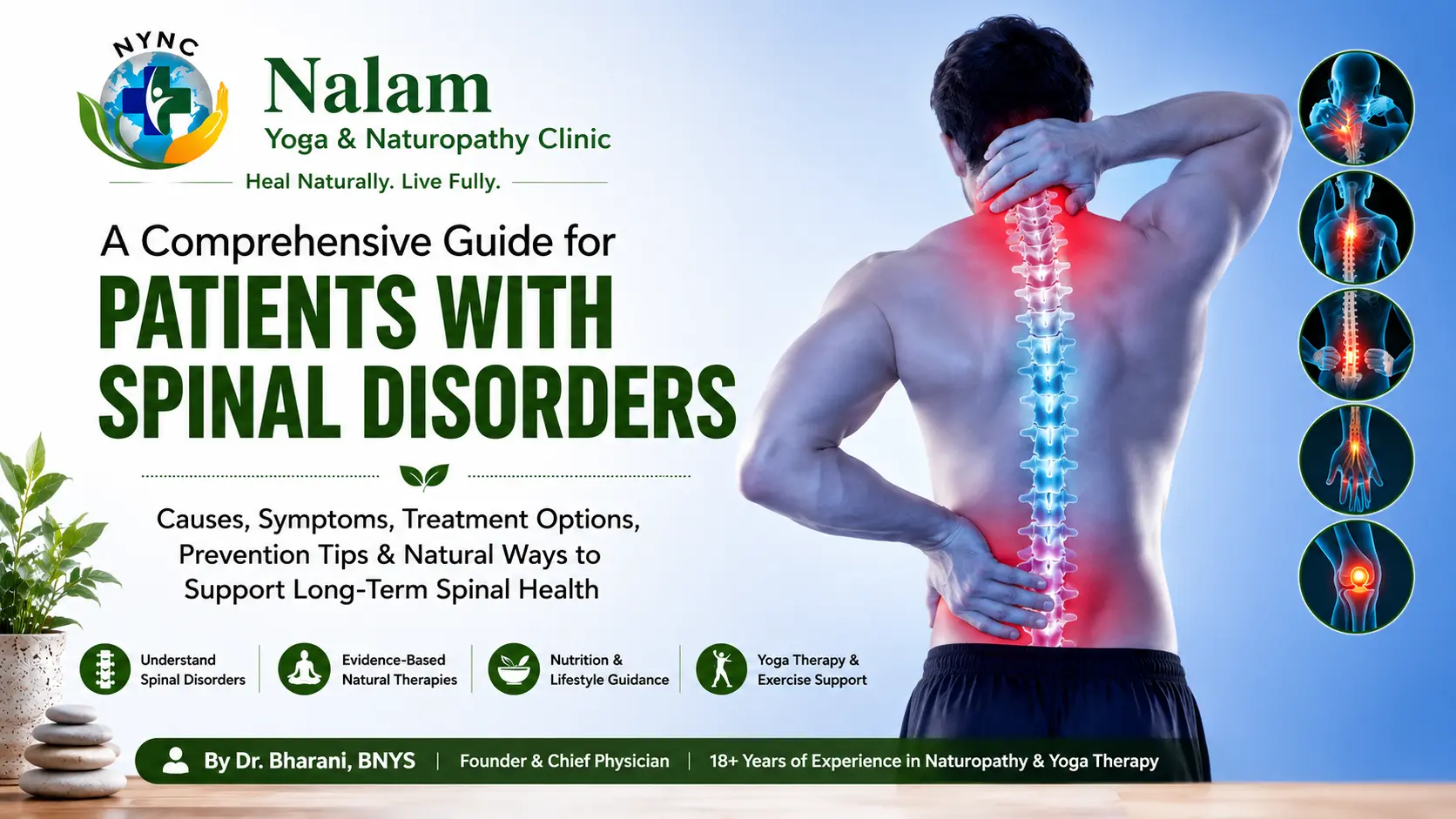
A Comprehensive Guide for Patients with Spinal Disorders
The majority of people worldwide experience back or neck pain at some point in their lives. While many episodes are temporary, persistent pain may indicate an underlying spinal disorder. The spine plays a vital role in supporting movement, maintaining posture, and protecting the spinal cord, making spinal health essential for everyday life.
This guide explains spinal disorders in simple terms, including their causes, symptoms, diagnosis, medical treatment, and evidence-based lifestyle approaches that may support recovery and long-term spinal health.
What Are Spinal Disorders?
Spinal disorders are conditions that affect the bones, discs, joints, nerves, muscles, or ligaments of the spine. They can develop due to ageing, injuries, poor posture, infections, congenital conditions, inflammatory diseases, or degenerative changes.
Some spinal conditions cause only mild discomfort, while others may lead to reduced mobility, balance problems, or nerve-related complications.
Common Types of Spinal Disorders
1. Cervical Spondylosis
2. Lumbar Spondylosis
3. Herniated (Slipped) Disc
4. Sciatica
5. Spinal Stenosis
6. Scoliosis
7. Osteoporosis-Related Compression Fractures
8. Ankylosing Spondylitis
Causes of Spinal Disorders
Several factors can contribute to spinal problems, including:
• Ageing
• Poor posture
• Sedentary lifestyle
• Repetitive strain
• Heavy lifting with improper technique
• Obesity
• Smoking
• Sports injuries
• Road traffic accidents
• Genetic factors
• Osteoporosis
• Arthritis
• Diabetes, which may affect nerve function
Common Symptoms
Symptoms vary depending on the specific condition but may include:
• Neck pain
• Upper back pain
• Lower back pain
• Muscle stiffness
• Pain radiating into the arms or legs
• Numbness
• Tingling sensations
• Muscle weakness
• Reduced flexibility
• Difficulty walking
• Balance problems
If back pain is accompanied by loss of bladder or bowel control, severe weakness, numbness around the groin area, significant trauma, or fever with severe back pain, seek immediate medical attention, as emergency treatment may be required.
Therapeutic Exercise
An appropriate exercise programme may help:
• Improve flexibility
• Strengthen supporting muscles
• Increase endurance
• Improve balance
• Reduce the risk of recurring pain
Weight Management
Maintaining a healthy body weight reduces excess stress on the spine and can improve overall spinal function.
Stress Management
Chronic stress may contribute to muscle tension and worsen pain. Relaxation techniques, mindfulness, breathing exercises, and adequate sleep may support recovery.
Yoga Therapy
Yoga therapy may help improve flexibility, posture, muscle strength, and body awareness when guided by a qualified professional. Exercises should always be adapted to the individual's condition. People with acute injuries, severe osteoporosis, or specific spinal disorders may need to avoid certain yoga postures.
Natural Therapies
Some individuals find supportive benefits from heat therapy, relaxation techniques, and other evidence-based complementary therapies. These approaches should complement—not replace—appropriate medical care.
Diet for Spine Health
A balanced diet supports healthy bones, muscles, and connective tissues.
Consider including:
• Milk, yoghurt, paneer, leafy greens, fortified plant-based products, and other calcium-rich foods
• Vitamin D sources such as safe sunlight exposure, fortified foods, or supplements if recommended by a healthcare professional
• Lean protein
• Fish rich in Omega-3 fatty acids
• Fresh fruits and vegetables
• Whole grains
• Nuts and seeds
• Adequate water intake
Limiting highly processed foods, excessive sugar, and alcohol may also support overall spinal and general health.
Prevention Tips
• Maintain good posture
• Exercise regularly
• Strengthen your core muscles
• Lift heavy objects correctly
• Avoid sitting continuously for long periods
• Choose a supportive and comfortable mattress
• Maintain a healthy body weight
• Avoid smoking
• Ensure adequate calcium and vitamin D intake
• Manage chronic conditions such as diabetes and osteoporosis
When Should You See a Doctor?
Arrange a medical evaluation if you experience:
• Back or neck pain lasting more than a few weeks
• Pain that interferes with daily activities
• Pain following an injury
• Frequent recurring episodes
• Numbness or tingling
• Muscle weakness
• Difficulty walking
• Unexplained weight loss
• Fever associated with back pain
Seek emergency medical care immediately if you experience severe weakness, loss of bladder or bowel control, or numbness in the groin area.
Frequently Asked Questions
Can spinal problems be treated without surgery?
Yes. Many people improve with conservative treatment such as medication, physiotherapy, therapeutic exercise, lifestyle modifications, and appropriate medical care. Surgery is recommended only for selected conditions where conservative management is not sufficient.
Does walking help relieve back pain?
Gentle walking is beneficial for many people with back pain. However, the suitability of walking depends on the underlying cause of the pain. Consult your healthcare provider if your pain is severe or worsening.
Can yoga help with spinal disorders?
Yoga is not a cure for spinal disorders, but when practised safely under professional guidance, it may improve flexibility, posture, strength, and pain management alongside appropriate medical treatment.
Does prolonged sitting affect spinal health?
Yes. Sitting for extended periods, especially with poor posture, can contribute to neck and back pain. Regular movement breaks and an ergonomic workstation can help reduce strain on the spine.
Author
Dr. Bharani, BNYS
Founder & Chief Physician
Nalam Yoga & Naturopathy Clinic, Perumbakkam, Chennai
With more than 18 years of experience in naturopathy, yoga therapy, lifestyle medicine, and preventive healthcare, Dr. Bharani provides evidence-based, personalised care focused on improving long-term health, mobility, and quality of life.
Medical Disclaimer
The information provided in this article is intended for educational purposes only and should not be considered medical advice, diagnosis, or treatment. Every individual's health condition is unique. Always consult Dr. Bharani or another qualified healthcare professional before making changes to your treatment plan, diet, exercise routine, or lifestyle. Seek immediate emergency medical care if you experience sudden or severe neurological symptoms or any other urgent medical condition.
Book a Consultation
If you are experiencing persistent back or neck pain, consult Dr. Bharani at Nalam Yoga & Naturopathy Clinic, Perumbakkam, Chennai, for a personalised assessment.
An individual evaluation can help identify the underlying cause of your symptoms and develop an appropriate treatment plan that may include lifestyle modifications, nutrition guidance, naturopathy, yoga therapy, and coordinated medical care to support long-term spinal health.